
Last updated November 4, 2026
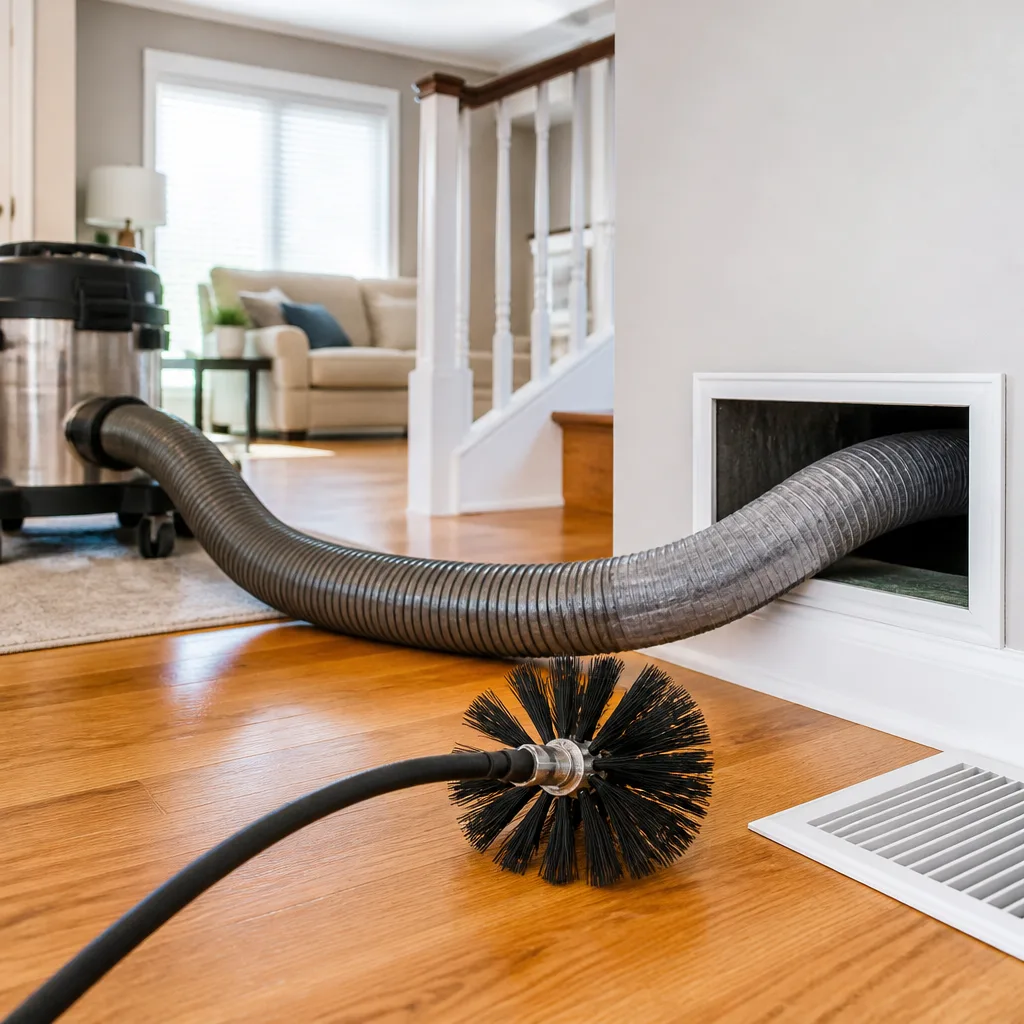 Whole-home duct cleaning
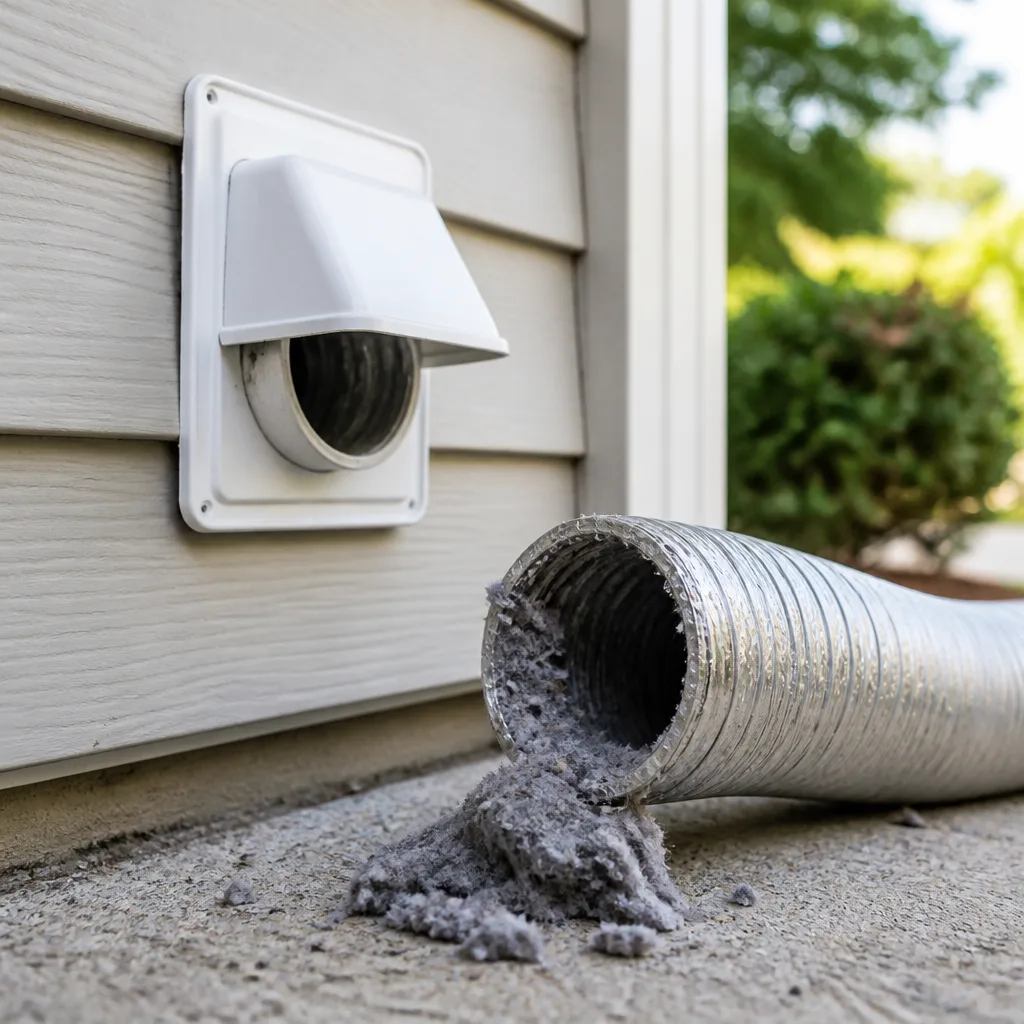 Dryer vent cleaning
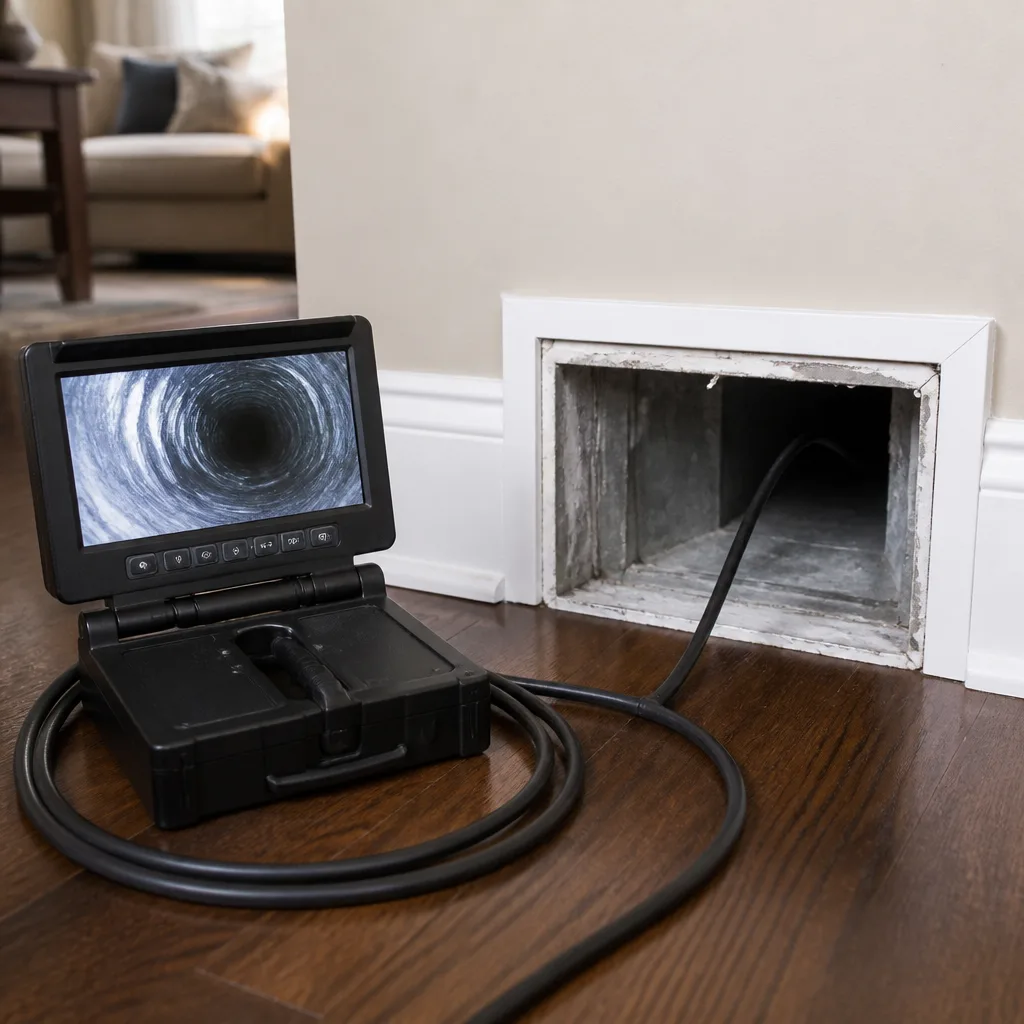 Camera inspection
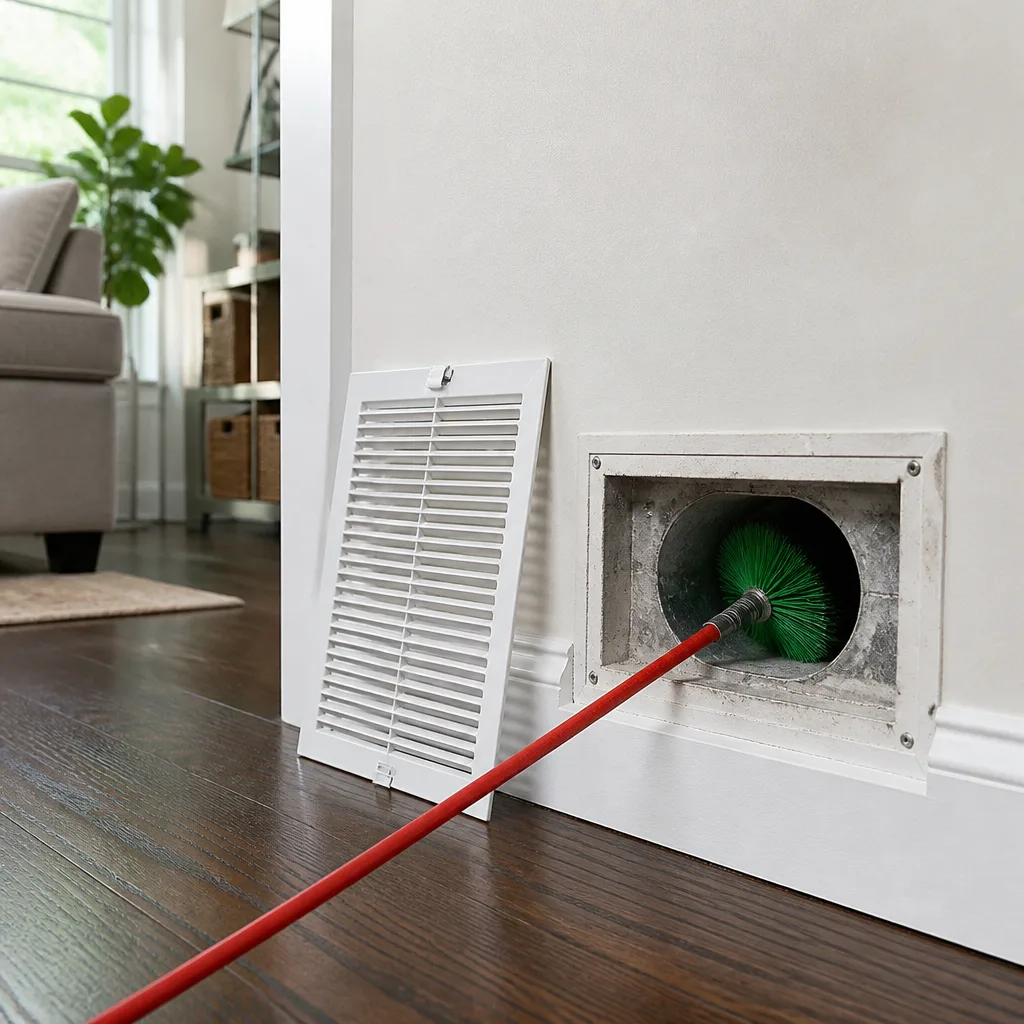 Sanitizing & deodorizing
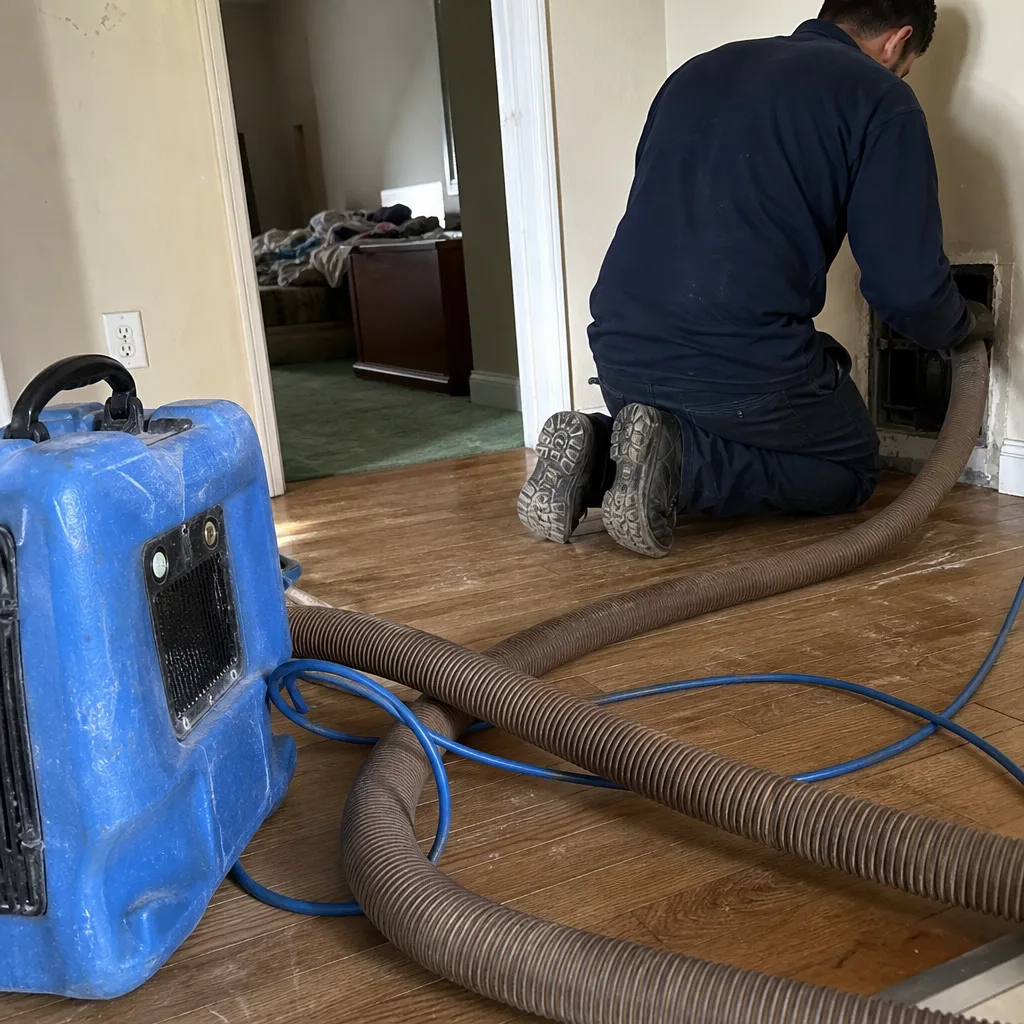
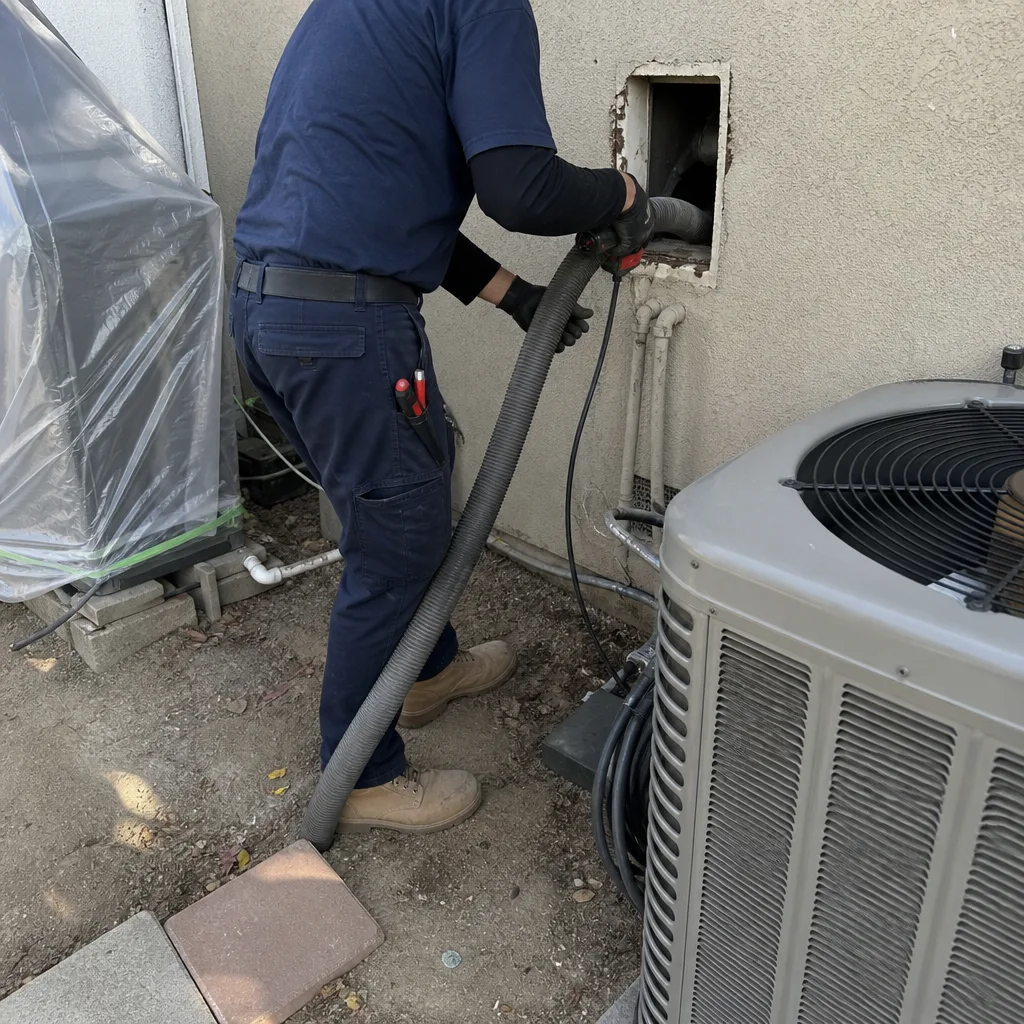
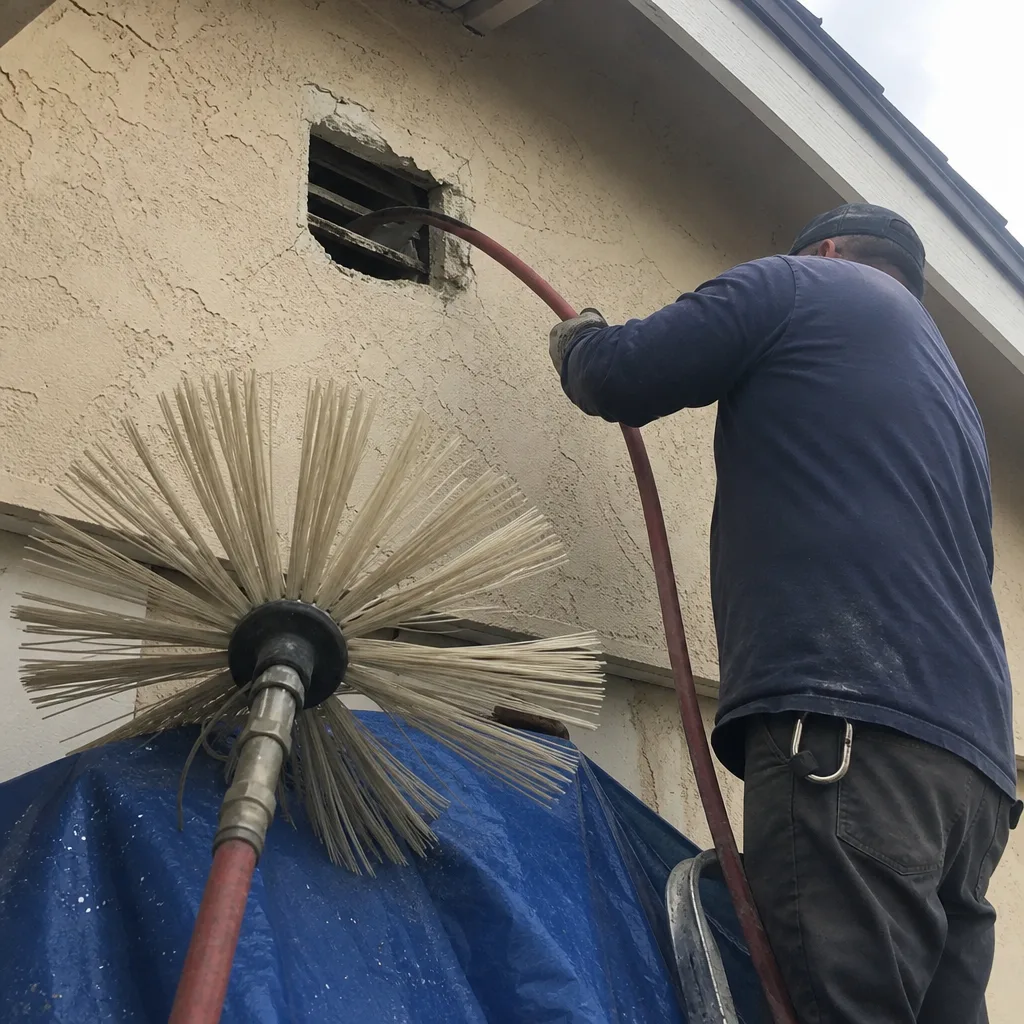
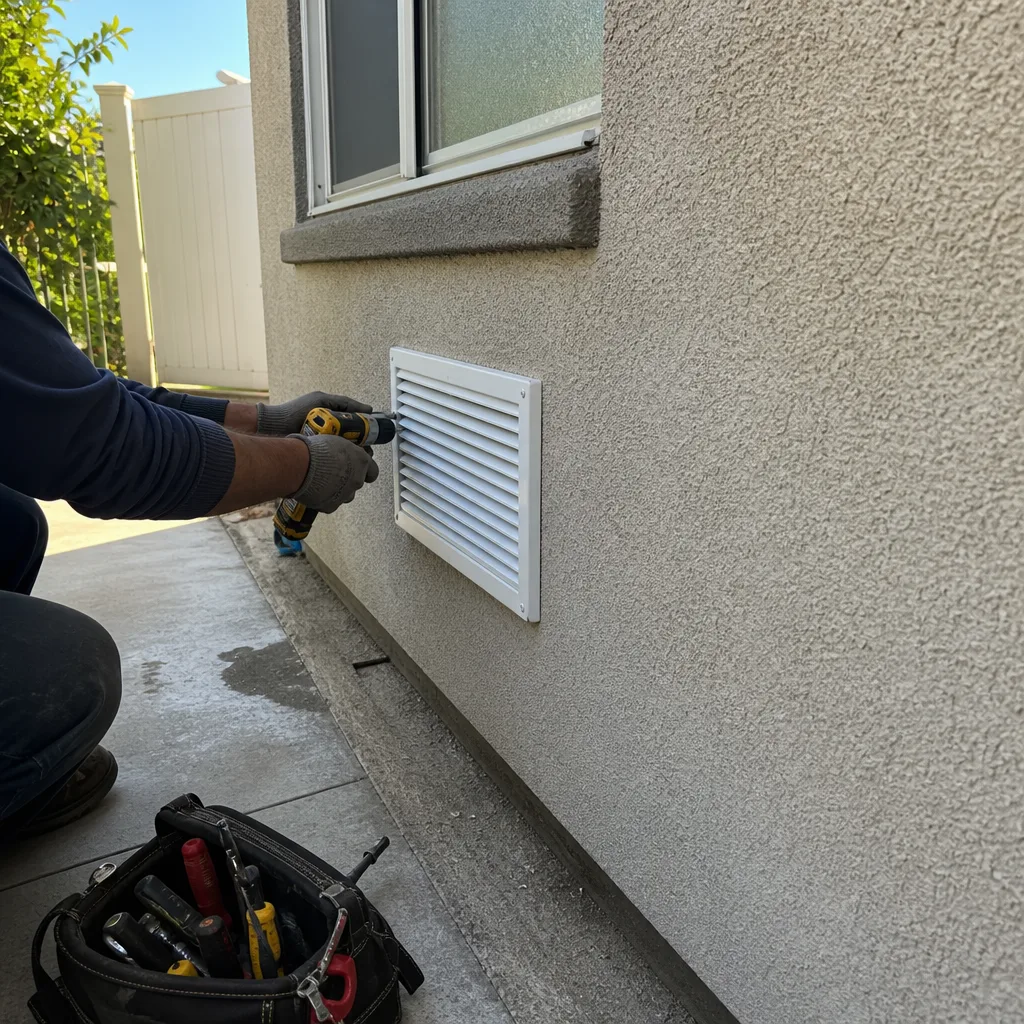
Whole-system duct and dryer vent check with before-and-after photos - you see exactly what came out of your vents
That "$99 whole-house special" is a bait ad - the real number appears once they are in your hallway, or the "clean" is a shop-vac at the register. We photograph the inside of your ducts before and after instead.
Air Duct Cleaning Warning Signs: A Pico Rivera Homeowner’s Reference Guide
If two rooms in your Pico Rivera home are noticeably warmer than the rest of the house, the first instinct is usually to blame the thermostat or start shopping for a new HVAC unit. That instinct is wrong more often than you’d think. A consistent temperature split between rooms with a unit that is still running often points to restricted, collapsed, or disconnected ductwork rather than a failing compressor. This guide teaches you to read the signals your duct system sends before they become expensive problems, and it spells out which warning signs matter most in Pico Rivera homes.
Quick Answer
The most common warning signs that you need air duct cleaning in Pico Rivera are visible dust buildup on registers, rooms that stay hot or cold no matter what the thermostat says, a musty odor that gets worse when the system runs, and energy bills that climb without a matching change in weather or usage. If any of these appear together, the duct system is the most likely source. A professional inspection with contractor-grade equipment will confirm what is happening inside the ducts themselves.
Styles & brands we work with
- Whole-home duct cleaning
- Dryer vent cleaning
- Camera inspection
- Sanitizing & deodorizing
Table of Contents
- Airflow Imbalance: When Rooms Won’t Match the Thermostat
- Musty Odors: What They Mean When the System Runs
- Dust on Registers Right After You Clean
- Energy Bill Creep: The Duct System’s Hidden Cost
- What a Slow Dryer Is Telling You About the Vent Duct
- Visible Debris and What It Indicates
- Common Mistakes to Avoid
- When to Call a Professional
- Frequently Asked Questions
Airflow Imbalance: When Rooms Won’t Match the Thermostat
A home where the thermostat says 72 degrees but the back bedroom feels like 80 is a home with an airflow problem. You can feel it. You have probably lived with it for years, adjusting vents or closing doors, assuming some rooms are just like that. In our experience working in Pico Rivera homes, persistent room-to-room temperature gaps of more than a few degrees are rarely a quirk of the floor plan. They are a measurement of how much conditioned air is actually reaching each register.
Duct systems are balanced when they are installed. Every run of ductwork is sized to deliver a certain volume of air to a specific room. Over time, that balance degrades. Dust and debris accumulate inside the ducts, narrowing the passageway. Flexible duct runs sag between supports, pinching off airflow. In some cases, a duct joint separates entirely, dumping conditioned air into the attic or crawlspace instead of the living space. The result is a room that never gets comfortable no matter how long the system runs.
Check this first: walk through your Pico Rivera home on a hot afternoon and feel the air coming from each register. Compare the airflow at the vent closest to the unit with the vent in the farthest room. A strong, noticeable difference suggests a restriction somewhere along the line. If one room is warm and the register is barely moving air while others blast, suspect a disconnected or crushed duct run. The HVAC unit may be doing its job perfectly. The ductwork is simply not delivering the result.
This matters beyond comfort. When ducts are restricted, the blower works against higher static pressure. That increases runtime to satisfy the thermostat, which increases energy consumption and accelerates blower motor wear. The fix is not always cleaning alone. In some cases, the duct run needs repair. We offer Duct Cleaning Pico Rivera with the capability to assess and repair damaged ductwork on the same visit, because cleaning a collapsed duct does nothing for the room at the end of it.
Musty Odors: What They Mean When the System Runs
A musty smell in a house is one of the most commonly misinterpreted signals in indoor air quality. Many Pico Rivera homeowners assume it is old carpet, a damp corner, or just the house being closed up. Sometimes that is true. The useful diagnostic question is what happens to the smell when the HVAC system kicks on.
If the odor is faint and tends to clear after the system has run for a few minutes, the source is likely outside the ducts. It may be a return air leak pulling in crawlspace air when the system operates, or it could simply be household dust burning off the heat exchanger at the start of a cycle. These are still worth investigating, but they point toward the system’s exterior rather than the duct interior.
If the odor intensifies when the blower runs, that changes the picture entirely. The smell is being pushed through the duct system, not passing by it. That strongly suggests active microbial growth on the interior surfaces of the ductwork. In a mild, mostly dry climate like Pico Rivera’s, this is less about flooding and more about condensation pockets that form inside poorly insulated ducts during humid periods. Even a small amount of sustained moisture inside a duct can support mold and bacteria, and every cycle of the blower distributes those spores through the living space.
Do not confuse this with a dirty air filter. A clogged filter can produce a dusty or stale smell when the system runs, but it does not produce the distinct wet-earth or sour odor of microbial activity. If the smell is consistently present and tied to the blower, a professional inspection of the duct interior is the next step. Cleaning with contractor-grade equipment from Rotobrush and Nikro can remove biological material and restore the interior surface. If the source is condensation from a torn duct liner or separated insulation, the repair matters as much as the cleaning.
Dust on Registers Right After You Clean
You wipe down a register, and within a week it has a fresh film of gray dust on it. You vacuum the floor, and within days there is a line of dust along the baseboard near the vent. This is one of the clearest warning signs that something is wrong with the duct system, because it means the dust is not settling from the room. It is being blown into the room.
Dust inside ductwork comes from several sources in Pico Rivera homes. The region’s dry, warm climate produces fine airborne particulate from open windows and foot traffic that gets pulled into the return air stream. Every unfiltered gap in the return duct path becomes a collection point. Over the years, that dust accumulates inside the return runs and the supply plenum. When the system runs, some of it is carried along with the conditioned air and deposited on registers, ceilings, and furniture near the vents.
A more serious source is a duct leak on the return side. A return duct that is disconnected or torn in an attic or crawlspace will pull whatever is in that space directly into the airstream. Attic dust, insulation fibers, and crawlspace debris all become indoor air pollutants within minutes of the blower turning on. If the dust on your registers looks like attic insulation or has a gritty, heavy texture, suspect a leak rather than simple accumulation. This is also why some homes seem to get dustier after the system runs than when it is off.
The test is not whether dust exists in your home. Every home has dust. The test is the pattern. Dust appearing quickly and specifically at supply registers, especially in rooms that are otherwise clean and rarely used, indicates the duct system is transporting particulate. A proper cleaning addresses the accumulated load in the ducts. A proper inspection finds whether a leak is continually adding to it. We work with the brands that HVAC professionals trust, and our scope includes the duct repair that stops the source, not just the symptom.
Energy Bill Creep: The Duct System’s Hidden Cost
Utility bills rise for a lot of reasons, and most homeowners chalk up an increase to the utility company, the season, or the age of the HVAC unit. Those explanations are sometimes right. But when an energy bill climbs year over year for the same weather patterns and the same usage habits, the duct system deserves a look. Restricted ducts increase runtime, and increased runtime shows up on the bill.
Here is the mechanism. A clean, balanced duct system presents a certain amount of resistance to airflow, which the blower is designed to handle. As dust builds up inside the ducts, the cross-sectional area for air movement shrinks. The blower must work harder to push the same volume of air. The system runs longer to satisfy the thermostat. The longer it runs, the more electricity or gas it consumes. The effect compounds year after year until the system is running significantly more than it did when the ducts were clean.
This is not a dramatic, overnight spike. It is a slow creep. A 5% increase one summer, 8% the next. Homeowners notice it as a general feeling that the air conditioner runs constantly without ever quite cooling the house. If your HVAC unit is less than 15 years old and properly maintained, yet it cycles longer than it used to and your summer bills keep trending upward, airflow restriction is a prime suspect.
One more point worth making plainly: a clogged air filter can mimic every one of these symptoms. Check and change the filter before assuming the ducts are the problem. A standard 1-inch filter should be changed every one to three months depending on household dust load, pets, and the filter’s MERV rating. If the filter is clean and the airflow is still weak, the restriction is deeper in the system. That is where professional cleaning pays for itself through reduced runtime and lower energy draw over time.
What a Slow Dryer Is Telling You About the Vent Duct
A clothes dryer that needs two or three cycles to fully dry a standard load is often blamed on the machine itself. It is an older dryer. It was a heavy load of towels. The moisture sensor must be going bad. Before you replace the appliance, look at the vent duct, because a restricted vent produces exactly this symptom and gets overlooked constantly.
The physics is straightforward. A dryer removes moisture from clothes by moving heated air through the drum and out through the vent duct to the exterior. If the vent duct is partially clogged with lint, that air cannot move efficiently. The dryer retains heat, the moisture stays in the drum, and the load takes longer to dry. The dryer’s internal sensors will often shut the cycle down early when temperatures climb too high, which is why some loads come out damp even after a full cycle.
This is not a convenience issue. It is a safety issue. Lint is highly combustible, and a restricted vent duct is how lint accumulates to the point where it can ignite. Your dryer vent is a fire hazard waiting to happen when the duct has gone years without cleaning. The National Fire Protection Association identifies dryer vent blockages as a leading contributor to residential dryer fires. Every load of laundry you run through a restricted vent is building up more combustible material in the duct.
We treat dryer vent cleaning as a dedicated service line, not an upsell, because the fire risk deserves serious attention. The sign to watch for is simple: if a normal load that used to dry in one cycle now consistently requires two, the vent duct is the most likely cause. A professional cleaning removes the accumulated lint and restores proper airflow, which fixes the drying time and removes the fuel load from the duct.
Visible Debris and What It Indicates
Duct systems are closed by design. What happens inside them is invisible from the living space, which is why duct problems often go undiagnosed for years. But some debris makes itself known. Recognizing what you are looking at turns a vague concern about air quality into a specific diagnostic signal.
Remove a supply register and look inside with a flashlight. What you see tells you something. A thin, uniform layer of fine gray dust on the interior duct surface is normal for any home that has been lived in for a few years. What is not normal is debris that is thick enough to obscure the metal surface, visible clumps of dust or pet hair accumulated at seams and corners, or material that looks like it came from the attic. Insulation particles, tiny bits of shredded duct liner, or gritty crawlspace dirt inside the duct point to a breach somewhere in the system.
Pay attention to return registers as well. A return that has a visible ring of caked dust around the grille is telling you the duct behind it is carrying a heavy particulate load. If you find pet hair inside the return duct, understand that it is also inside the blower cabinet and the evaporator coil, reducing efficiency and providing a substrate for biological growth.
One more tell: listen. A duct system that has never been cleaned may produce a subtle rustling or ticking sound as debris shifts inside the runs when the blower cycles on and off. It is easy to write off as normal house noise. In a quiet house, that sound is the audible evidence of material inside the ductwork that belongs elsewhere. A professional cleaning with contractor-grade equipment removes that debris rather than letting it recirculate through your home’s air.
Common Mistakes to Avoid
- Blaming the HVAC unit for airflow problems. If the unit is producing cold air and the compressor is running, a warm room is far more likely a duct restriction or leak than a mechanical failure. Replacing the unit without checking the ducts just couples a new system to the same bad distribution network.
- Treating a musty smell with air fresheners. Masking the odor does nothing about microbial growth inside the ducts, and the source continues circulating spores through the living space. The smell is a signal, not the problem itself.
- Assuming one clogged register is a dirty filter. A single register with weak airflow while others are normal indicates a localized duct restriction or collapse, not a system-wide filter issue. Changing the filter will not fix it.
- Ignoring a slow dryer because the appliance is old. Dryer age and vent restriction are separate issues, and a vent blockage makes a dryer of any age run poorly and unsafely. The vent duct should hold your suspicion first.
- Vacuuming the exterior of registers instead of addressing the interior. Clean register faces with dirty ductwork behind them will re-soil within days. The dust you see at the vent is coming from inside the system.
- Assuming dust is normal because Pico Rivera is dusty. The region does have a dry, particulate-heavy climate, but a well-sealed duct system should not be transporting that particulate into every room. Fine regional dust is a reason to check the ducts more carefully, not to dismiss the symptom.
- Putting off a duct inspection because everything seems to work. Duct problems accumulate silently. By the time the symptoms are obvious, the buildup has been affecting air quality and energy use for years. An inspection finds it before you feel it.
When to Call a Professional
Call a professional when you see a pattern, not a single stray observation. One dusty register after a windy week is noise. Rooms that are consistently hot, a musty smell that intensifies when the blower runs, dust that reappears within days at the same registers, or a dryer that needs multiple cycles every time are patterns that point to the duct system. If two or more of these signs appear together, the probability of a duct problem is high enough to justify an inspection. Duct Cleaning Pico Rivera offers free estimates in Pico Rivera, and the written estimate sets the final price before any work begins. Call (833) 734-6877. We answer 24/7. Fast dispatch from 7am to 7pm, Sunday through Friday.
Frequently Asked Questions
The clearest indicators are visible dust buildup on registers, consistent temperature differences between rooms, a musty odor that gets stronger when the system runs, and energy bills that rise without a change in weather or usage. Any of these alone is worth investigating. More than one together usually means the ducts are carrying debris or restriction.
If the smell intensifies when the blower runs, it usually means microbial growth inside the ductwork is being pushed into the living space. If the smell clears after a few minutes of operation, the source is more likely outside the ducts, such as a return leak pulling in crawlspace or attic air. An inspection can distinguish the two.
Yes. Restricted, collapsed, or disconnected ductwork reduces the volume of conditioned air reaching a given room, so that room stays warmer in summer and cooler in winter. The HVAC unit may be running normally. The distribution system is failing to deliver what it produces.
That is a sign the duct system is transporting dust from somewhere else, either accumulated debris inside the ducts or a leak pulling attic or crawlspace particulate into the airstream. Surface cleaning at the register cannot solve a problem that originates inside the duct run.
A dryer vent should be cleaned at least once a year, and more often in households that run the dryer frequently or have pets that shed significantly. If a normal load starts taking two cycles to dry, the vent is already restricted enough to warrant cleaning regardless of the calendar. Call (833) 734-6877 for an exact quote. Estimates are free.
For homes with visible dust at registers, airflow imbalance, or musty odors tied to the blower, cleaning removes the material causing the symptoms and restores designed airflow. The value is measured in improved air quality, reduced runtime, and eliminating the recirculation of accumulated household debris through the living space.
The Bottom Line
Your duct system is the hidden half of your HVAC, and it talks to you through symptoms that are easy to attribute to something else. A warm room is not always a bad unit. A musty smell is not always an old house. Dust that returns in days is not just a Pico Rivera reality. When you read those signals correctly, you find the duct system at the root of many air quality and comfort complaints. The equipment matters too. Professional-grade cleaning systems from Rotobrush and Nikro, along with filtration products from Honeywell and Aprilaire, treat the problem at the level of the system itself. Pay attention to the patterns. When they show up, call (833) 734-6877 for a free estimate. We answer 24/7. Fast dispatch from 7am to 7pm, Sunday through Friday.
Written by the team at Duct Cleaning Pico Rivera, serving Pico Rivera since 2011.
See the difference
 Before
 After
 Before
 After
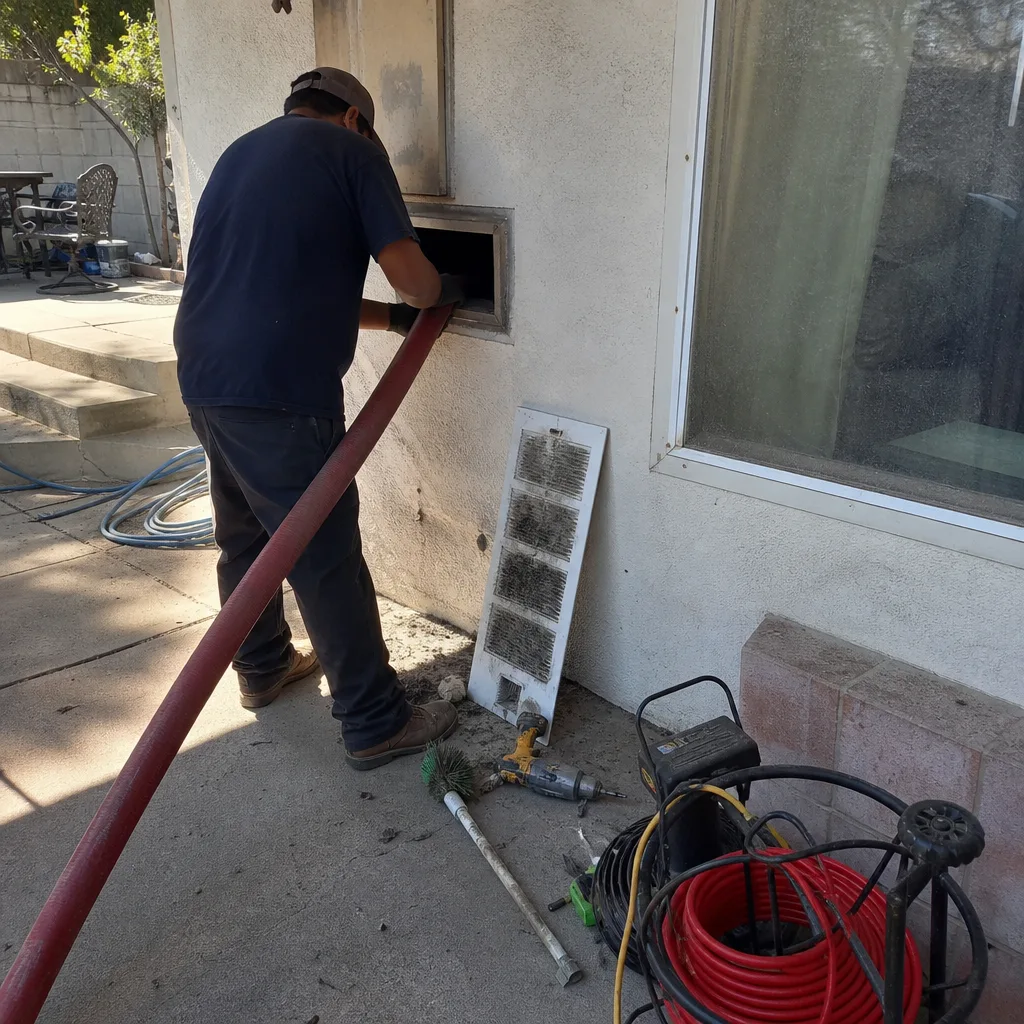 Before
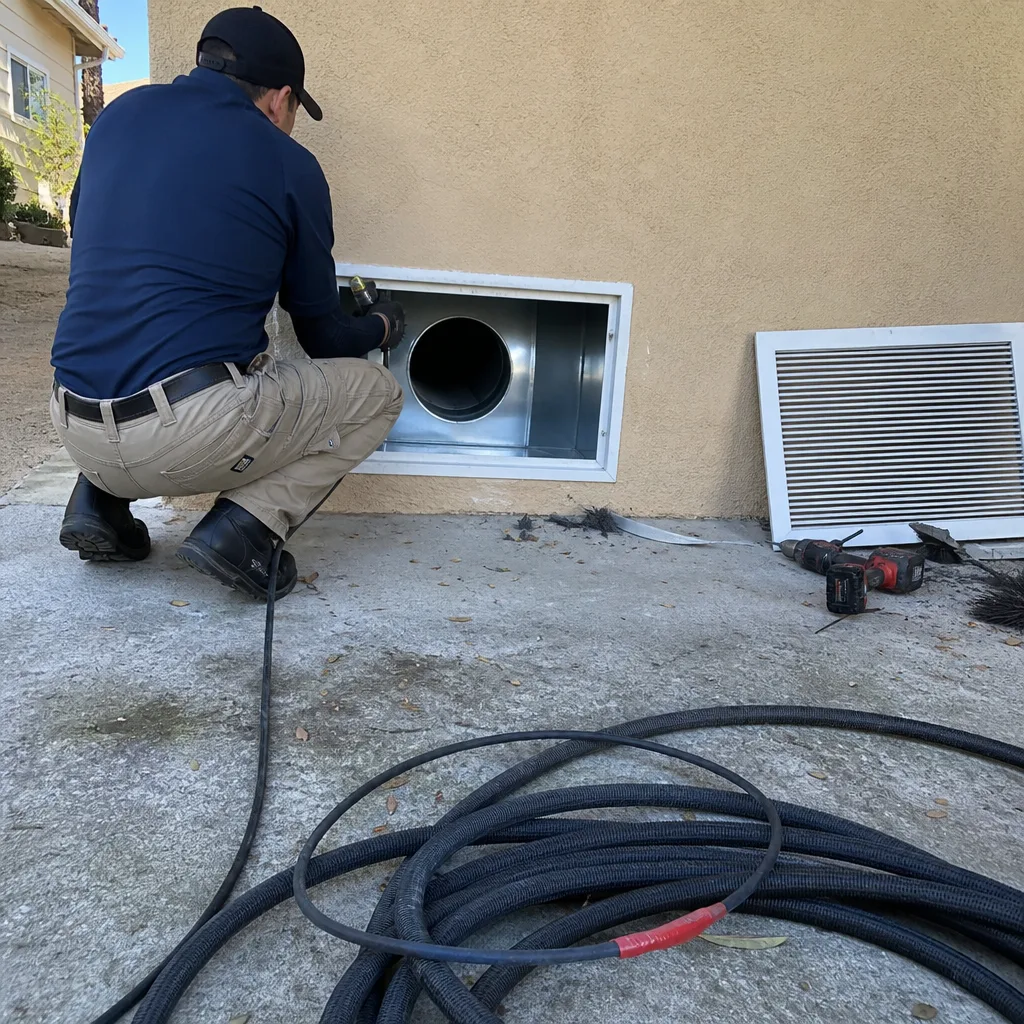 After