
Last updated November 4, 2026
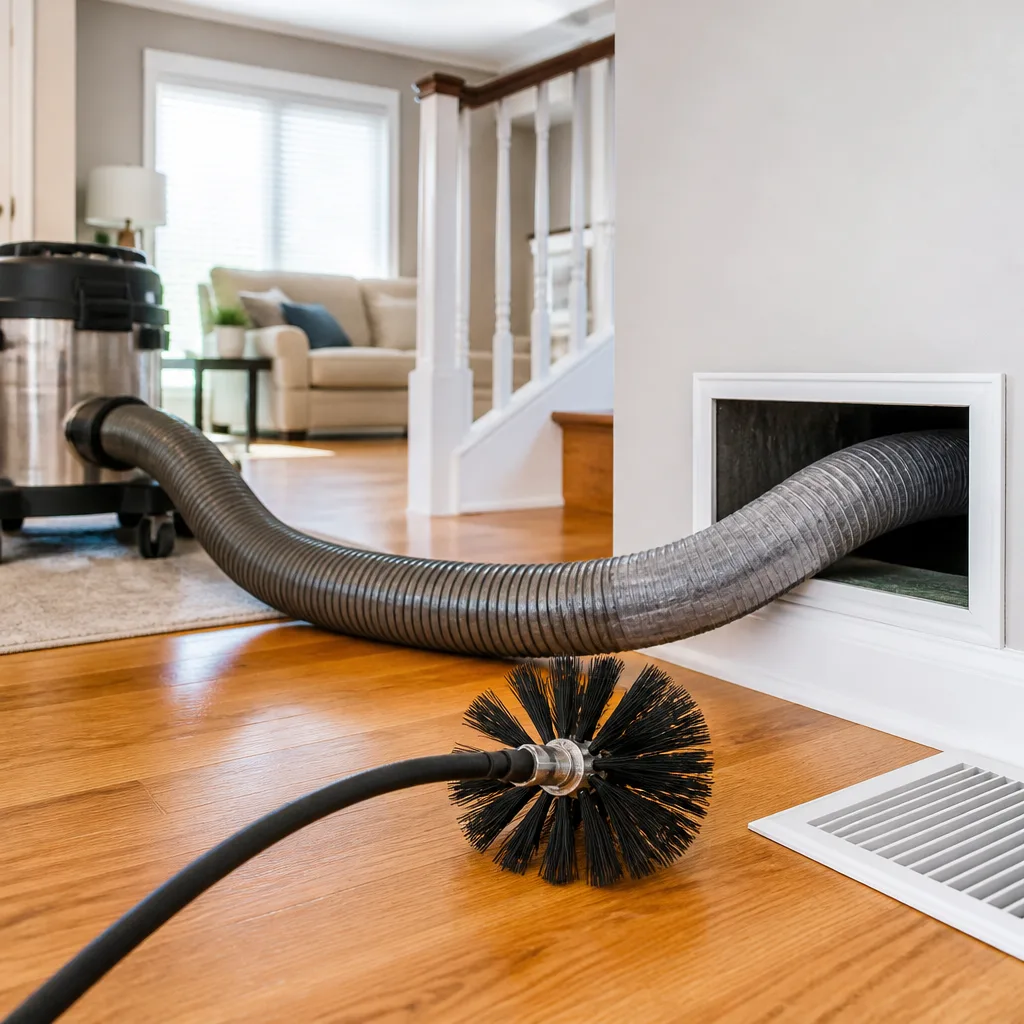 Whole-home duct cleaning
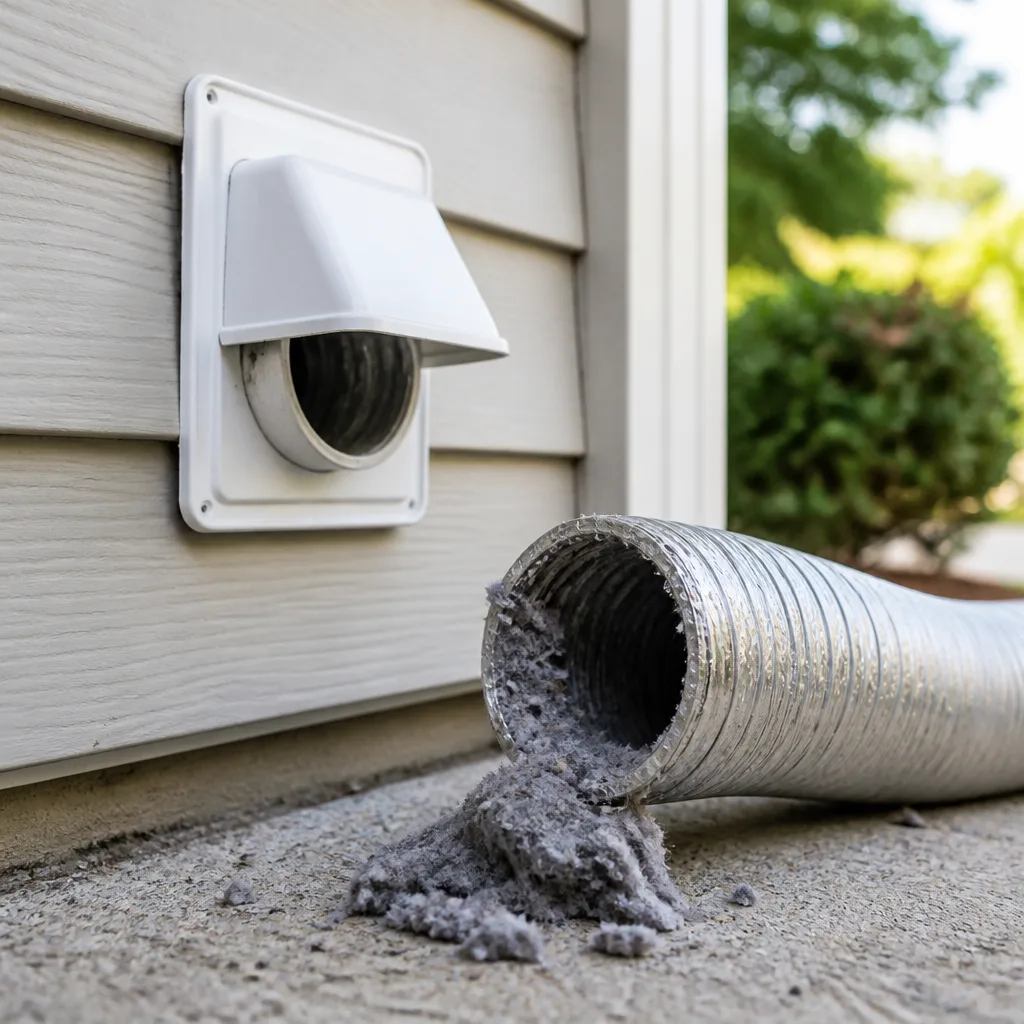 Dryer vent cleaning
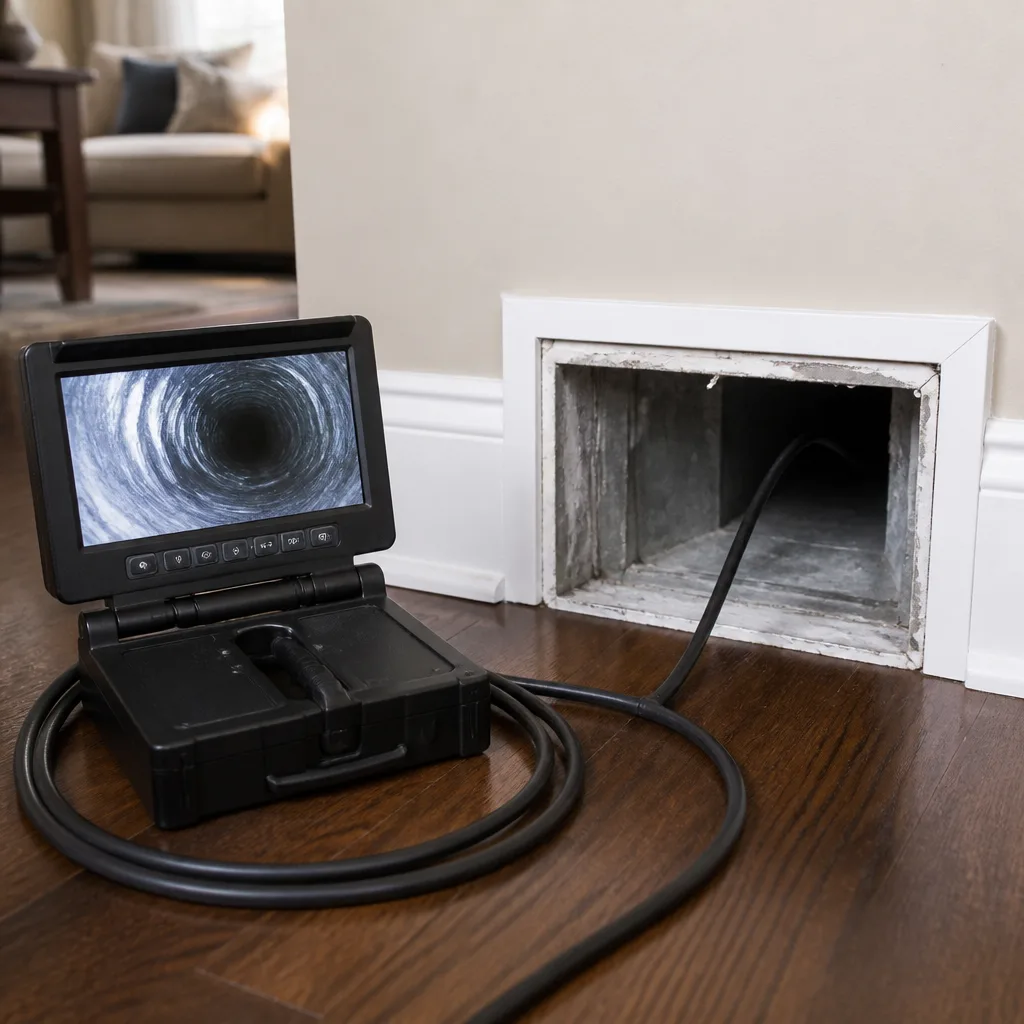 Camera inspection
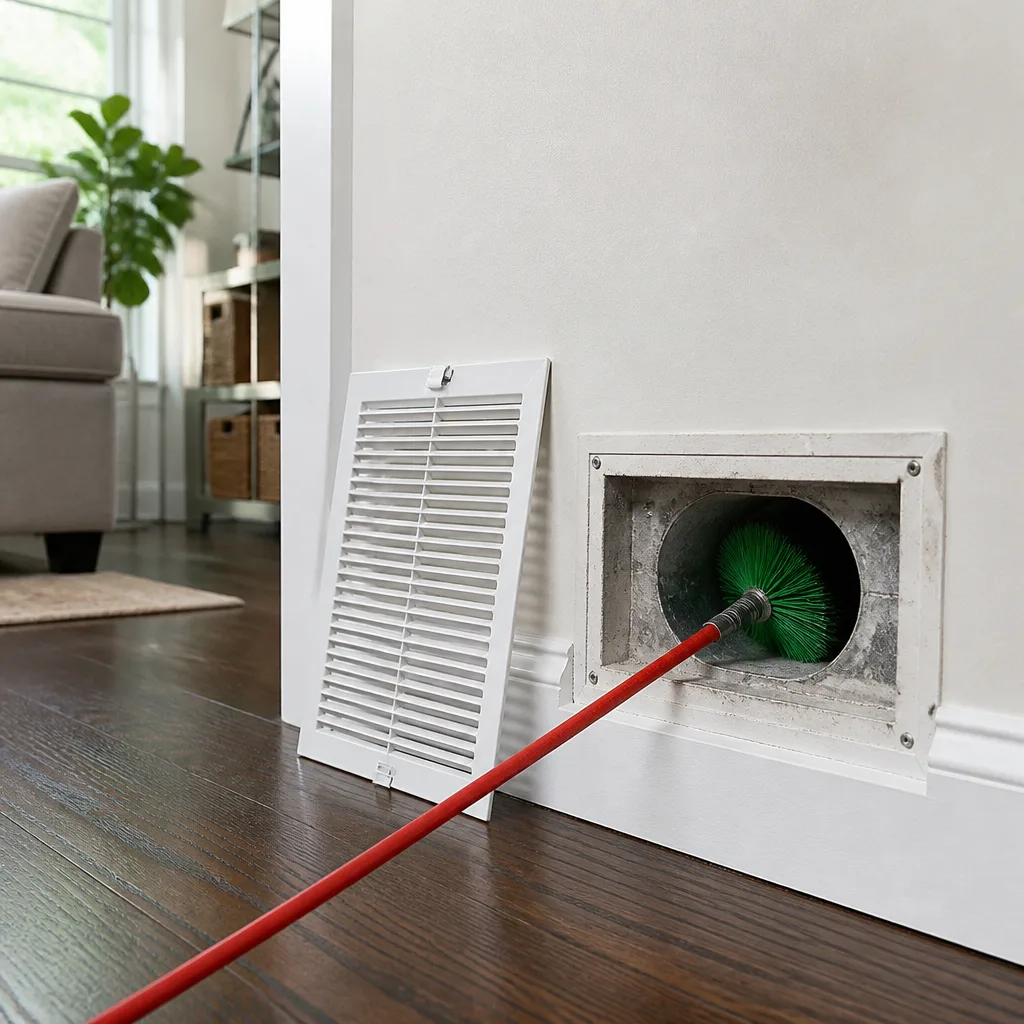 Sanitizing & deodorizing
Whole-system duct and dryer vent check with before-and-after photos - you see exactly what came out of your vents
That "$99 whole-house special" is a bait ad - the real number appears once they are in your hallway, or the "clean" is a shop-vac at the register. We photograph the inside of your ducts before and after instead.
Seasonal Air Duct Cleaning Care for Pico Rivera: Year-Round Homeowner’s Guide
Most homeowners in Pico Rivera assume duct cleaning is a once-every-few-years task that doesn’t need seasonal attention. That assumption falls apart the first time a Santa Ana wind event blows ash and particulate through the San Gabriel Valley, or a spring pollen bloom sends visible dust through every supply register. This guide maps Pico Rivera’s actual climate patterns, not a generic four-season calendar, to what’s happening inside your ductwork month by month. You’ll learn when to inspect, when to clean, and when a targeted service call prevents a bigger air quality problem.
Styles & brands we work with
- Whole-home duct cleaning
- Dryer vent cleaning
- Camera inspection
- Sanitizing & deodorizing
Quick Answer
Seasonal air duct cleaning in Pico Rivera should follow the region’s real environmental triggers rather than a fixed calendar. The highest-priority windows are late fall after Santa Ana wind events (October through December), late summer through fall during wildfire smoke season (August through November), early spring when tree pollen peaks, and just before HVAC switchover from heating to cooling in late spring. A post-event inspection after heavy wind or smoke is a legitimate reason to clean ducts outside a routine schedule, because both events deposit particulate matter that recirculates through your system every time it runs.
Table of Contents
- Santa Ana Winds and Your Ducts: The October Through December Problem
- Wildfire Smoke Season: August Through November Pressure
- Spring Pollen in Pico Rivera: When Trees Load Your System
- HVAC Switchover: Heating to Cooling and Back Again
- Humidity Differences: Wet Winters, Dry Summers, and Duct Interiors
- Month-by-Month Action Calendar for Pico Rivera Homeowners
- Why Equipment Matters: Rotobrush and Nikro vs. Consumer Tools
- Common Mistakes to Avoid
- When to Call a Professional
- Frequently Asked Questions
- The Bottom Line
Santa Ana Winds and Your Ducts: The October Through December Problem
Santa Ana winds are the single most underrated duct contamination event in Pico Rivera. These offshore winds, typically strongest from October through December, push dry air from the high desert across the LA Basin at speeds that lift fine dust, road particulate, and construction debris into the air column. During a Santa Ana event, ambient particulate matter in the LA Basin can spike above EPA hazardous thresholds within hours, and every hour your system runs during that window, it’s pulling that air through your ducts and depositing it on interior surfaces.
What lands inside your ductwork during a Santa Ana event is not the same as ordinary household dust. It’s a finer, grittier particulate that includes silica from desert soils, brake dust from the 605 freeway corridor, and whatever industrial residue gets kicked up from the Commerce and Montebello areas to the west. This material settles into the return ducts first, then works its way through the supply side as the system cycles.
The practical takeaway: if you’ve lived in Pico Rivera through a multi-day Santa Ana event and watched dust accumulate on windowsills inside a closed house, that same dust has moved through your duct system. A post-Santa Ana inspection is a valid trigger for air duct cleaning, not an overreaction. The material is too fine for standard fiberglass filters to catch, especially if your filter is rated below MERV 8.
We’ve pulled pleated filters from Pico Rivera homes after a single sustained Santa Ana wind event that were caked with fine gray particulate, despite being installed only days earlier. The ducts behind those filters tell the same story at a slower rate. If your home sits near the Rio Hondo channel or the San Gabriel River corridor, wind channeling can concentrate airborne debris even further.
Wildfire Smoke Season: August Through November Pressure
Wildfire smoke is no longer a rare occurrence for Pico Rivera. The region sits downwind of major burn zones in the Angeles National Forest to the north and the San Bernardino Mountains to the east. From August through November, smoke patterns regularly push into the San Gabriel Valley, and Pico Rivera’s position in the basin means that smoke can linger for days, not hours.
Smoke presents a different duct problem than wind-blown dust. Smoke particles are extremely fine, often under 2.5 microns in diameter, which means they penetrate deep into the system. More importantly, smoke carries volatile organic compounds and combustion byproducts that adhere to duct surfaces. That odor can persist long after the outdoor air clears, and every HVAC cycle redistributes a faint smell through the home. This is where a Duct Cleaning Pico Rivera specialist gets calls from homeowners who can’t figure out why their house still smells like a campfire two weeks after the last smoke advisory.
What to do after a smoke event: first, replace your HVAC filter regardless of how recently it was changed. Second, run the system fan for 30 minutes with windows open on a clear day to purge loose particles. Third, inspect return grilles for visible soot staining. If you see gray or black film on return vents, the odds are high that the same film coats your duct interiors. A professional cleaning with agitation-based equipment removes what a standard filter change cannot.
Spring Pollen in Pico Rivera: When Trees Load Your System
Pico Rivera’s tree canopy is denser than most people realize. The residential neighborhoods south of Whittier Boulevard and north of Mines Avenue have mature trees that produce significant pollen loads from February through April. Oaks, sycamores, and ornamental trees common to the area release pollen that settles on roofs, enters attic vents, and gets drawn into return ducts.
Spring pollen matters for two reasons. First, it’s a direct allergen load on anyone in the home with respiratory sensitivities. Second, pollen grains are biologically active, which means they break down inside ductwork and can support microbial growth when conditions allow. Even if no one in the home has seasonal allergies, pollen decomposition contributes to the fine organic dust that accumulates in supply branches.
The spring task list is straightforward. Walk your home during peak bloom and note which registers blow visibly dusty air. Check return grilles for yellow or green residue. If you have a Honeywell media cabinet or Aprilaire filtration system, spring is the time to verify the media is seated correctly and hasn’t bypassed around the edges. If you don’t have upgraded filtration, spring pollen is a good argument for considering it, since standard spun-fiberglass filters capture only a small fraction of pollen-sized particles.
HVAC Switchover: Heating to Cooling and Back Again
The HVAC switchover is the most predictable duct cleaning trigger on the Pico Rivera calendar, and it happens twice a year. In late spring, usually May or early June, households switch from heating to cooling. In late fall, usually late October or November, they switch back. Each switchover represents a moment when the system starts moving air through ducts that have been idle for months.
Here’s the problem: during the heating season, warm air holds more moisture and keeps certain particulates suspended. When the system idles during Pico Rivera’s mild spring, that suspended material settles. When cooling kicks on for the first time in June, the first few cycles blow that settled accumulation directly into living spaces. Homeowners notice it as a musty smell or visible dust on furniture near supply registers.
The fix is a pre-switchover inspection. Before you start the cooling system for the first time in late spring, remove a supply register in a central hallway and look inside with a flashlight. If you see visible dust caked on the duct walls or loose debris in the branch line, schedule a cleaning before the system runs heavily. The same logic applies in reverse before heating season.
Specific to Pico Rivera: because winters are mild, many homes run heat only intermittently from December through February. That intermittent operation allows more settling between cycles than a consistently running system, which means the fall switchover matters just as much as the spring one.
Humidity Differences: Wet Winters, Dry Summers, and Duct Interiors
Pico Rivera’s humidity profile is uneven across the year, and that unevenness shapes what happens inside ductwork. Winters bring measurable rainfall and higher ambient humidity, particularly from December through March. Summers are dry, with relative humidity often dropping below 30% during Santa Ana events and heat waves.
The wet winter period is when microbial growth risk peaks inside ducts. Duct interiors are dark, and when condensation forms on cool metal surfaces during humid periods, the conditions support mold and bacteria growth on accumulated dust. This is especially true in flex duct sections that sag slightly and collect moisture, and in return boots near foundation penetrations where ground moisture wicks upward.
The dry summer period creates a different issue: desiccation. Organic material that accumulated during winter dries out, becomes brittle, and breaks into small particles that become airborne more easily. A home that noticed no obvious dust problem in January may see persistent fine dust in August simply because the same material has dried and mobilized.
The practical response is to inspect ducts at the tail end of the wet season, around March or April, when any microbial growth from winter would be visible but before summer drying scatters it. If you see water staining on duct insulation, musty odors when the system first starts, or visible growth on interior surfaces, address it before cooling season pushes that air through the home.
Month-by-Month Action Calendar for Pico Rivera Homeowners
This calendar reflects Pico Rivera’s actual patterns, not a generic climate guide. Use it as a reference for when to act, not as a rigid schedule. Homes with pets, smokers, or occupants with respiratory conditions should compress these intervals.
- January: Mid-winter check. Inspect return grilles for visible dust accumulation. Replace the filter if it shows gray film. If the home ran heat consistently through December, check supply registers for dust streaks on adjacent walls.
- February: Pre-pollen filter upgrade. If you’ve been considering a higher-MERV filter or a media cabinet from Honeywell or Aprilaire, install it now before spring pollen peaks.
- March: Pollen season begins. Walk the home during a windy afternoon and note which rooms show visible dust. Schedule a duct inspection if multiple rooms are affected.
- April: End of wet season. Check for musty odors on system startup. Inspect accessible duct insulation for water staining. If any flex duct sags visibly, have it addressed, since sagging collects moisture and debris.
- May: First switchover prep. Before running AC, remove a supply register and inspect with a flashlight. Clean visible debris from register boots. Replace the filter.
- June: Cooling season begins. If first-week AC operation produces musty or dusty air, schedule a cleaning. This is the highest-demand cleaning month in Pico Rivera.
- July: Peak cooling. Monitor energy bills for unexplained increases, which can signal restricted airflow from dirty coils or ducts. Check return grilles monthly. If the home has a dryer vent cleaning need, summer heat loads make lint-clogged vents an even greater fire risk, so address it now.
- August: Wildfire smoke season begins. If smoke advisories affect Pico Rivera, replace the filter before and after the event. Note any lingering smoke smell after the advisory lifts.
- September: Peak smoke month. If September brings sustained smoke, schedule a duct inspection even if the system seems fine. Smoke residue builds incrementally and degrades air quality over time.
- October: Santa Ana season starts. Watch wind forecasts. After any multi-day wind event, check for dust accumulation around windows and returns. This is the second-highest cleaning trigger month in Pico Rivera.
- November: Second switchover prep. Before switching from cooling to heating, repeat the register inspection from May. This is also a good time to clean supply registers and return grilles themselves.
- December: Post-Santa Ana cleanup. If October or November brought sustained wind events, a December cleaning clears the system before winter holiday gatherings, when homes see maximum occupancy and maximum HVAC demand.
Why Equipment Matters: Rotobrush and Nikro vs. Consumer Tools
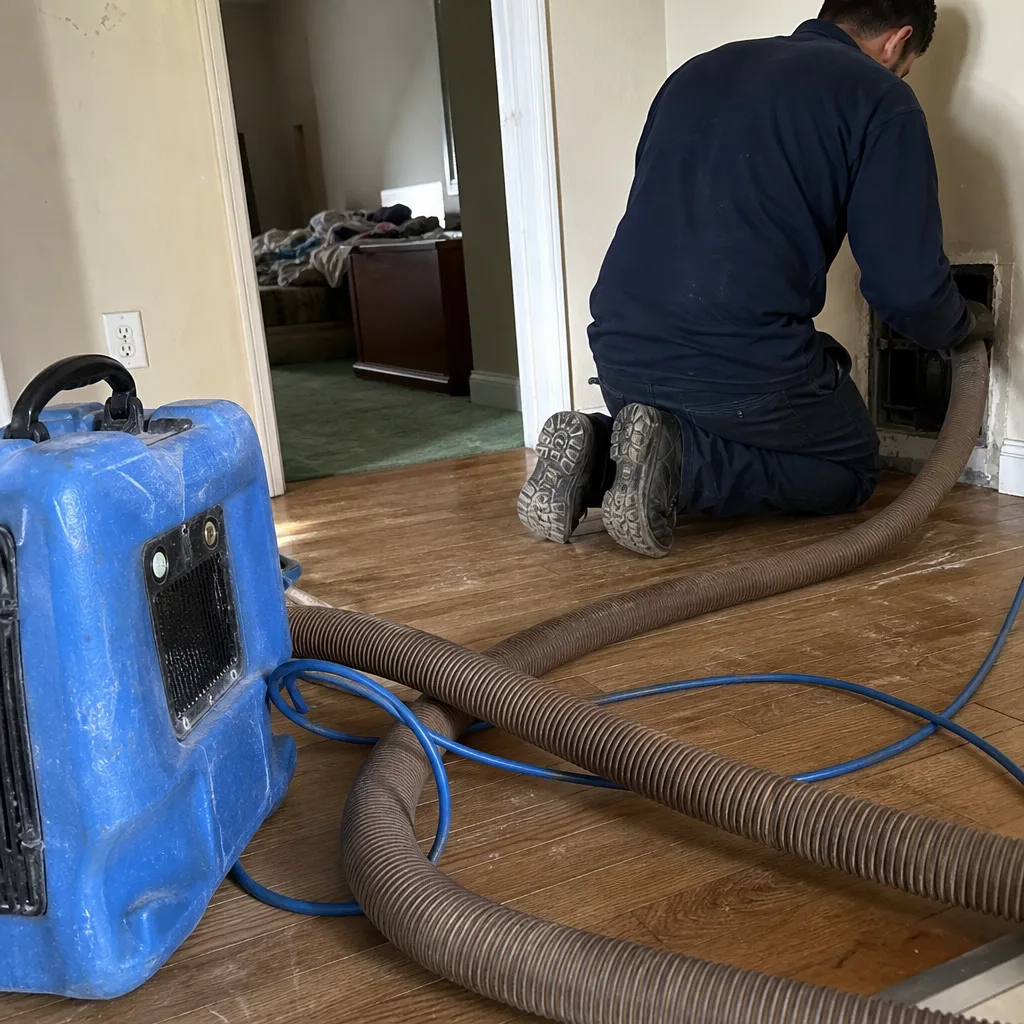
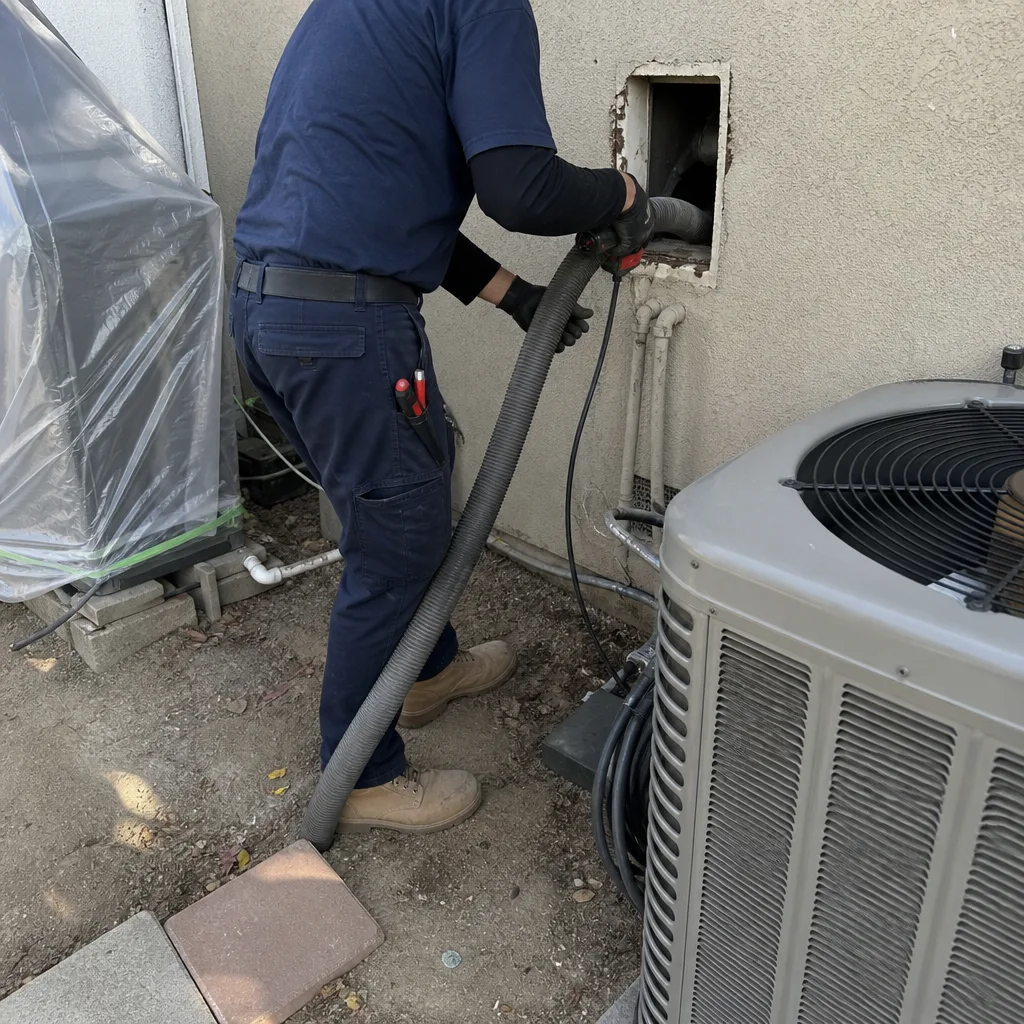
Not all duct cleaning is equal, and the difference usually comes down to agitation. The material that accumulates in Pico Rivera ductwork, especially after wind and smoke events, adheres to interior surfaces. A vacuum alone cannot remove it. Effective cleaning requires mechanical agitation to dislodge bonded particulate, combined with negative-pressure collection to capture it.
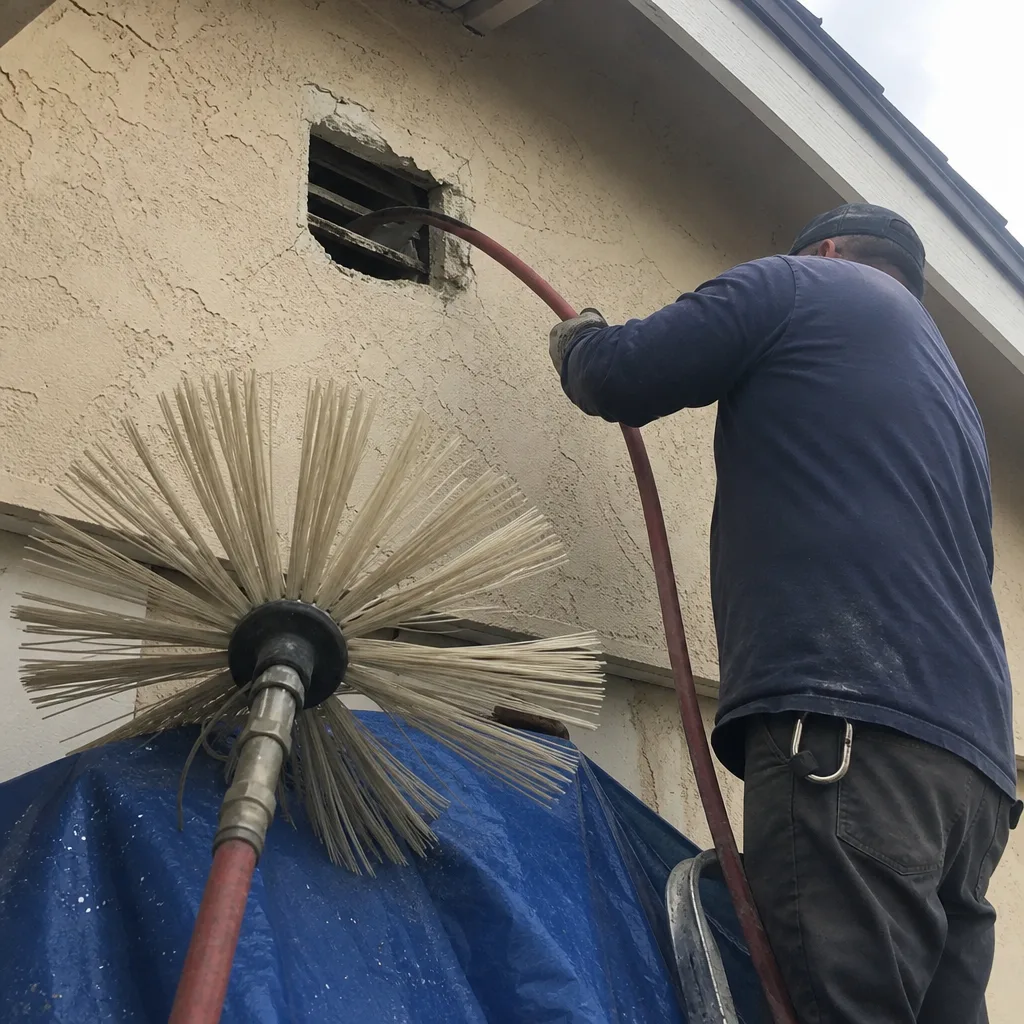
This is where the equipment question matters. Professional systems from Rotobrush and Nikro combine rotating brush agitation with high-powered vacuum collection in a single pass. These are the same systems used by commercial HVAC contractors, not consumer-grade attachments. A shop-vac with a long hose, regardless of how it’s marketed, lacks both the agitation force and the filtration capacity to remove fine particulate from a full duct run.
The practical difference for a Pico Rivera homeowner is this: after a Santa Ana event, the dust in your ducts is fine, dry, and electrically charged. It clings to metal and flex duct interiors. Agitation-based cleaning with professional equipment removes it. Vacuum-only approaches leave a significant percentage behind, which means the indoor air quality problem returns within weeks rather than months.
We work with Rotobrush and Nikro systems precisely because they match the contamination profile of this region. And because we also handle air duct repair, we can identify and correct ductwork damage on the same visit rather than cleaning around a problem that will recontaminate the system. A separated duct joint or a crushed flex run doesn’t just reduce airflow; it pulls unfiltered attic air into the system continuously. Cleaning alone cannot fix that.
Common Mistakes to Avoid
- Cleaning on a fixed calendar instead of event triggers. Pico Rivera’s actual contamination events, Santa Ana winds and wildfire smoke, don’t follow a schedule. A post-event inspection is often more valuable than an annual cleaning on a predetermined date.
- Using the cheapest filter available. Spun-fiberglass filters catch large debris but allow fine particulate through. During smoke season and Santa Ana events, this is the difference between a protected system and one that accumulates contamination by the week.
- Ignoring return-side contamination. Most homeowners look at supply registers, but the return side is where outdoor dust and smoke enter first. If return grilles show visible film, the problem is already in the system.
- Waiting for a smell to act. By the time a musty or smoky odor is obvious, the contamination is distributed throughout the duct network. Earlier signs include visible dust streaks on walls near registers and unexplained dust accumulation on flat surfaces.
- Assuming a newer home has clean ducts. Construction debris, drywall dust, and sawdust frequently remain in new duct systems. Pico Rivera homes built or renovated in recent years are not exempt from this.
- Skipping the dryer vent because it’s not technically an HVAC issue. Lint accumulation is a fire hazard that worsens during dry Santa Ana conditions. Treat dryer vent cleaning as a safety issue, not an afterthought.
- Assuming all cleaning providers use the same equipment. A low-cost provider using consumer-level tools cannot remove bonded particulate from duct interiors. The price difference usually corresponds directly to the equipment used.
When to Call a Professional
Call a professional when visible indicators confirm contamination that a filter change cannot address. Specific triggers include: dust streaks on walls adjacent to supply registers, visible gray or black film on return grilles, musty or smoky odor that persists for more than a week after the source clears, unexplained dust accumulation on furniture within days of cleaning, or visible debris inside a duct when you remove a register and look inside with a flashlight. If anyone in the home has asthma, allergies, or other respiratory conditions, these triggers warrant faster action. Duct Cleaning Pico Rivera offers free estimates in Pico Rivera, call (833) 734-6877. We answer 24/7. Fast dispatch from 7am to 7pm, Sunday through Friday.
Frequently Asked Questions
Most Pico Rivera homes benefit from a thorough inspection annually and cleaning every 2 to 4 years, but the local climate creates event-based triggers that override that interval. Homes that experience heavy Santa Ana wind seasons, wildfire smoke exposure, or have residents with respiratory conditions may need cleaning annually or after major contamination events.
A sustained Santa Ana event can deposit enough fine particulate in your ducts to warrant an inspection, and often a cleaning. The dust carried by these winds is finer than ordinary household dust and penetrates deeper into the system. If you saw dust accumulate on interior windowsills during the event, your ducts received the same load. Call (833) 734-6877 for a free estimate if you’re unsure.
Professional cleaning uses agitation-based equipment, such as Rotobrush and Nikro systems, that mechanically dislodges bonded particulate while simultaneously collecting it under negative pressure. Consumer tools cannot replicate that combination. The bonded dust that accumulates after Pico Rivera’s wind and smoke events specifically requires agitation to remove.
Yes. Ducts recirculate whatever accumulates on their interior surfaces, meaning pollen, dust, and smoke particles can be re-released into living spaces every time the system runs. For anyone with allergic sensitivities, this creates a continuous low-level exposure that persists even when outdoor allergen levels drop.
Both can be justified. A pre-season cleaning removes existing contamination so the system starts clean, but a post-season inspection matters more. If smoke affected Pico Rivera during August through November, a cleaning afterward removes the residue that settled during those events. We answer 24/7. A call outside dispatch hours is booked into the next opening, Sunday through Friday, 7am to 7pm.
Damaged ducts require repair, not just cleaning. A separated joint or crushed flex run pulls unfiltered attic air into the system continuously, which means cleaning alone cannot solve the air quality problem. Duct Cleaning Pico Rivera performs air duct repair as a core service, so we can identify and correct damage during the same visit rather than leaving the root problem unaddressed.
The Bottom Line
Pico Rivera’s climate doesn’t follow a tidy four-season script, and your duct maintenance shouldn’t either. The real seasonal markers here are Santa Ana wind events from October through December, wildfire smoke from August through November, spring pollen from February through April, and the two HVAC switchover points in late spring and late fall. Each of these loads your duct system differently and calls for a specific response. Inspect after major events, upgrade filtration before pollen and smoke seasons, and address contamination before it recirculates through your home for months. When the trigger points line up, call (833) 734-6877 for a free estimate from a specialist who uses professional-grade equipment, not shortcuts.
Written by the team at Duct Cleaning Pico Rivera, serving Pico Rivera since 2011.
See the difference
 Before
 After
 Before
 After
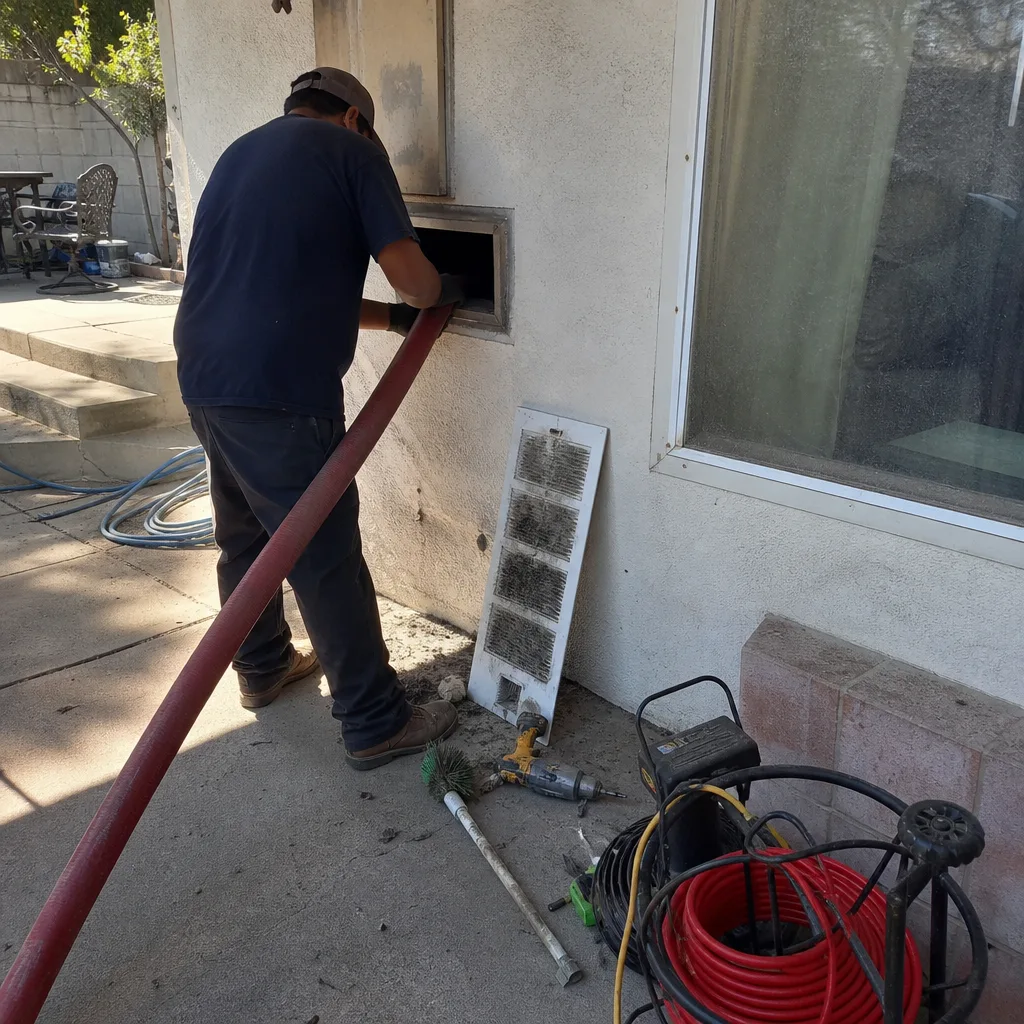 Before
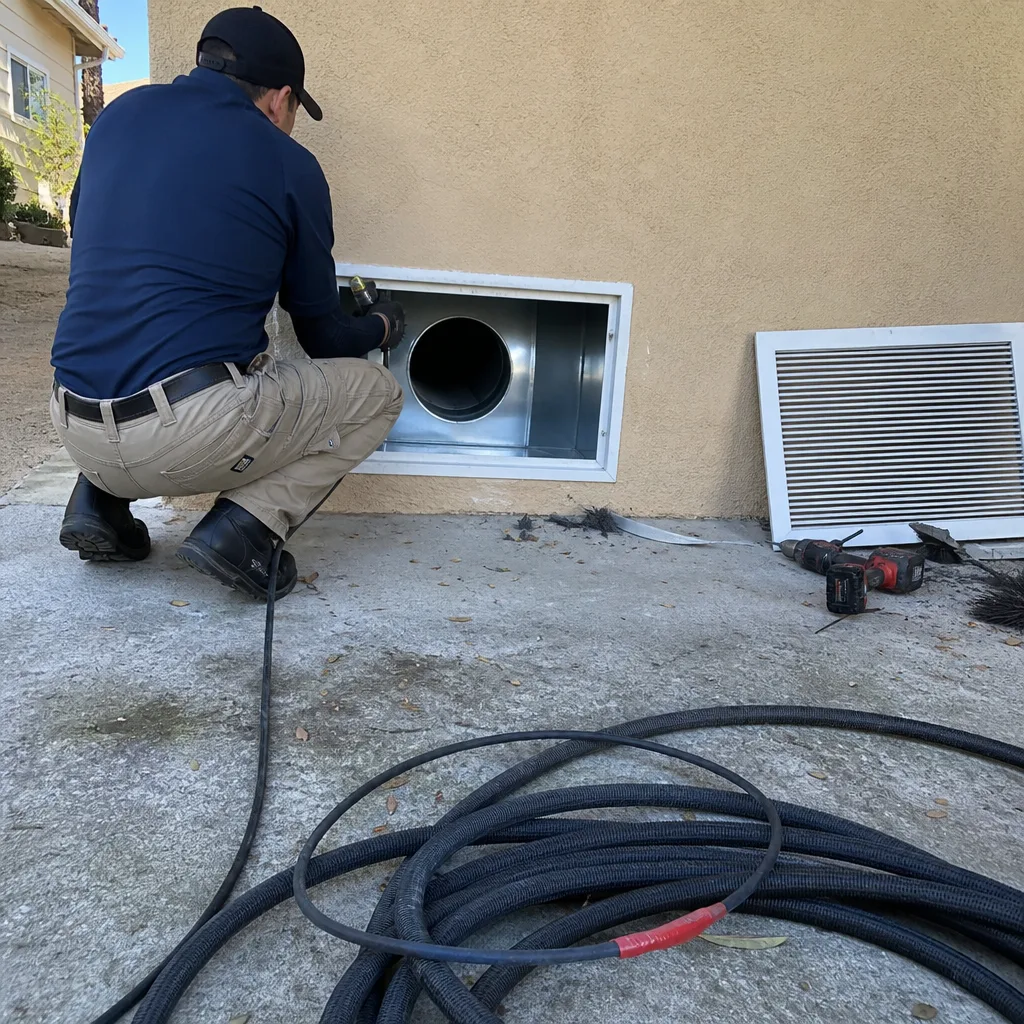 After